
Exploring Different Massage Techniques: A Soothing Journey to Wellness

When I first stepped into the world of massage therapy, I was amazed by the variety of techniques available. Each one offers a unique way to relax, heal, and rejuvenate the body and mind. Whether you are seeking relief from muscle tension, aiming to improve your skin health, or simply craving a moment of calm, understanding the different massage techniques can help you choose the perfect experience. Let me guide you through some of the most popular and effective methods that you might find at a day spa or wellness center.
Discovering Different Massage Techniques for Your Wellbeing
Massage therapy is an art and science combined. It involves manipulating the soft tissues of the body to promote relaxation, reduce pain, and enhance overall health. The beauty of massage lies in its diversity. From gentle strokes that soothe the skin to deep pressure that releases stubborn knots, there is a technique tailored for every need.
Some of the most common types of massage you might encounter include Swedish massage, deep tissue massage, hot stone massage, and aromatherapy massage. Each has its own rhythm and focus, designed to address specific concerns. For example, Swedish massage uses long, flowing strokes to improve circulation and ease muscle tension, making it ideal for those new to massage or looking for gentle relaxation.
If you are an athlete or someone who experiences chronic muscle tightness, deep tissue massage might be your go-to. This technique targets deeper layers of muscle and connective tissue, helping to break down adhesions and improve mobility. It can feel intense but is incredibly effective for recovery and pain relief.

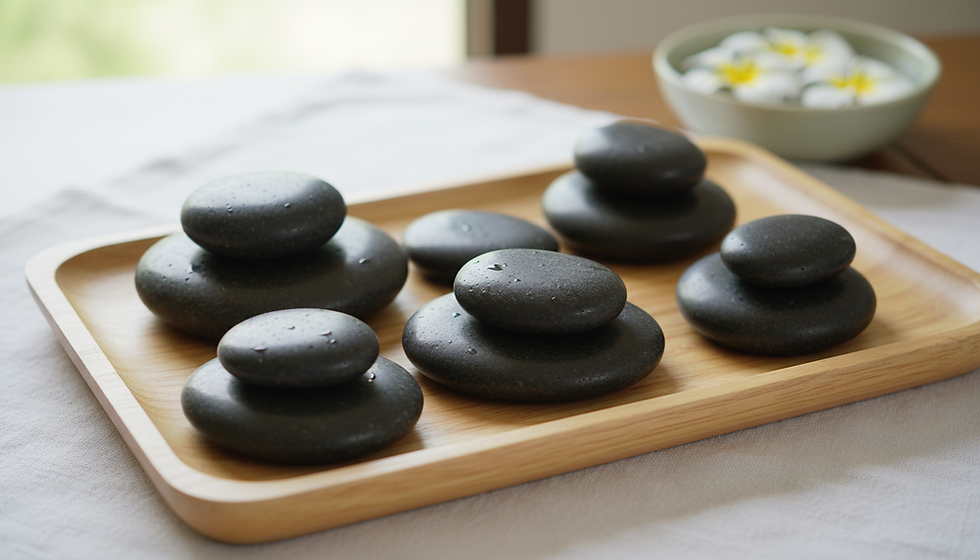
Hot stone massage is another wonderful option, especially during colder months. Warm stones are placed on key points of the body to melt away tension and promote deep relaxation. The heat penetrates muscles, allowing the therapist to work more effectively and leaving you with a comforting sense of warmth.
Aromatherapy massage combines the power of essential oils with gentle massage strokes. The scents of lavender, eucalyptus, or peppermint can enhance your mood, reduce stress, and even improve skin health. This technique is perfect for those who want a holistic experience that nurtures both body and mind.
What are the 5 Basic Techniques of Massage?
Understanding the foundational techniques can deepen your appreciation for the art of massage. These five basic strokes form the building blocks of many massage styles and are used to create a customized session that meets your needs.
Effleurage - This is a series of long, gliding strokes usually performed with the palms. It helps warm up the muscles, improve circulation, and relax the nervous system. Effleurage is often used at the beginning and end of a massage to create a soothing transition.
Petrissage - This technique involves kneading, rolling, and lifting the muscles. It targets deeper layers of tissue, helping to release muscle knots and improve flexibility. Petrissage feels like a gentle squeeze and is excellent for relieving muscle tension.
Friction - Using firm, circular movements, friction works on specific areas of tightness or scar tissue. It increases blood flow and breaks down adhesions, which can improve mobility and reduce pain.
Tapotement - This rhythmic tapping or pounding stimulates the muscles and nerves. It can invigorate the body and is often used in sports massage to prepare muscles for activity or aid recovery.
Vibration - Gentle shaking or trembling movements help relax muscles and calm the nervous system. Vibration is soothing and can be used to finish a massage session, leaving you feeling light and refreshed.
These techniques can be combined in various ways to create a massage that feels just right for you. Whether you prefer a gentle touch or a more intense approach, knowing these basics helps you communicate your preferences to your therapist.
Specialized Massage Techniques for Targeted Benefits
Beyond the basics, there are many specialized massage techniques designed to address particular concerns or enhance your spa experience. Here are a few that you might find especially beneficial:
Lymphatic Drainage Massage: This gentle technique encourages the flow of lymph fluid, helping to reduce swelling and detoxify the body. It’s wonderful for improving skin health and supporting the immune system.
Reflexology: Focusing on pressure points in the feet, hands, or ears, reflexology aims to balance the body’s energy and promote healing. It’s a relaxing way to support overall wellness and can be combined with pedicures for a truly indulgent treat.
Shiatsu: Originating from Japan, Shiatsu uses finger pressure on specific points along the body’s energy pathways. It helps relieve stress, improve circulation, and restore balance.
Thai Massage: This dynamic technique involves stretching and deep massage, often performed on a mat. It increases flexibility, reduces muscle tension, and leaves you feeling energized.
Sports Massage: Tailored for athletes, this massage focuses on preventing and treating injuries, improving performance, and speeding recovery. It often includes deep tissue work and stretching.

Each of these techniques offers unique benefits, and many spas combine them with other treatments like facials, body wraps, or red light therapy to create a holistic wellness experience.
How to Choose the Right Massage Technique for You
Choosing the perfect massage can feel overwhelming with so many options available. Here are some gentle tips to help you decide:
Consider your goals: Are you looking to relax, relieve pain, improve skin health, or recover from physical activity? Your goals will guide the best technique for you.
Think about your comfort level: If you are new to massage, starting with a gentle Swedish or aromatherapy massage might be ideal. For more experienced clients, deep tissue or sports massage could be more suitable.
Communicate with your therapist: Don’t hesitate to share your preferences, any areas of discomfort, or health concerns. A skilled therapist will tailor the session to your needs.
Combine treatments: Many day spas offer packages that include massages alongside facials, body scrubs, or red light sauna sessions. These combinations can enhance your overall wellbeing.
Listen to your body: After your massage, notice how you feel. If a technique was too intense or not quite right, let your therapist know for future visits.
By taking a mindful approach, you can enjoy the full benefits of massage therapy and create a nurturing routine that supports your health and happiness.
Embracing Wellness Through Massage and Spa Care
Massage therapy is more than just a luxury - it’s a pathway to better health and relaxation. When combined with other spa treatments like facials, body wraps, manicures, and red light therapy, it creates a sanctuary where your body and mind can flourish.
I encourage you to explore the types of massage therapy techniques available at your local spa. Each visit is an opportunity to unwind, heal, and reconnect with yourself. Whether you choose a soothing Swedish massage or a revitalizing sports massage, you are investing in your wellbeing.
Remember, self-care is a gentle journey, and every step you take towards relaxation and health is a gift to yourself. So, take a deep breath, let go of tension, and allow the healing power of touch to guide you to a place of calm and comfort.
I hope this guide has inspired you to discover the wonderful world of massage therapy. Your body deserves this kindness, and your spirit will thank you for it.


Comments